What are IoT Devices? Real-World Examples You Use Every Day
What are IoT Devices? You woke up this morning because your wrist vibrated. That smartwatch didn't just tell the time; it tracked your sleep cycles and signaled your coffee maker to start brewing the moment you climbed out of bed. As you left the house, you tapped your phone to lock the front door and adjust the hallway temperature.
Without realising it, you’ve already interacted with a dozen "Things." We used to call this the stuff of science fiction, but today, it’s simply the environment we live in. These devices are the eyes, ears, and hands of the internet in the physical world. IoT is here to stay and with the advent of Artificial Intelligence and machine learning the Internet of Things is here to stay.
The Invisible Network: Why IoT Matters More Than You Think
The "Internet of Things" (IoT) sounds like a technical term dreamt up in a boardroom, but it describes a very human shift in how we live. For decades, the internet was a destination—a place you went by sitting at a desk and typing on a keyboard. Now, the Internet has leaked out of our screens and infused itself into the smart objects around us.
This matters because it transforms passive objects into active participants in our lives. A traditional toaster just toasts; an IoT toaster can ping your phone when the bread is perfectly browned or download a firmware update to improve its heating algorithm. By connecting the physical to the digital, we gain a level of control and insight over our surroundings that was previously impossible.
Defining the Internet of Things (Without the Jargon)
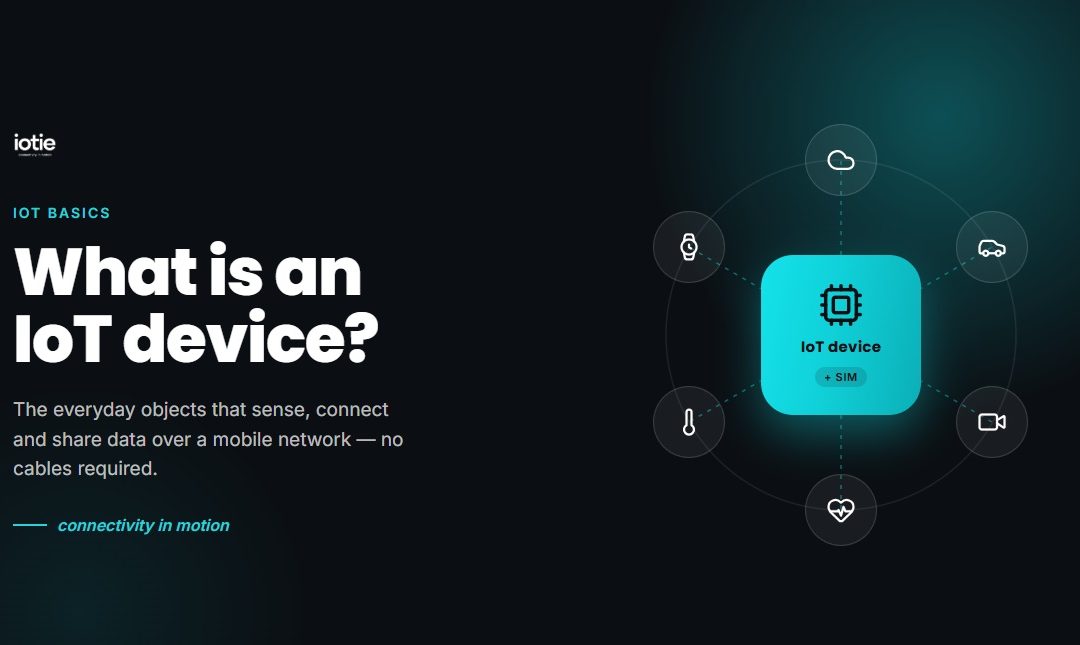
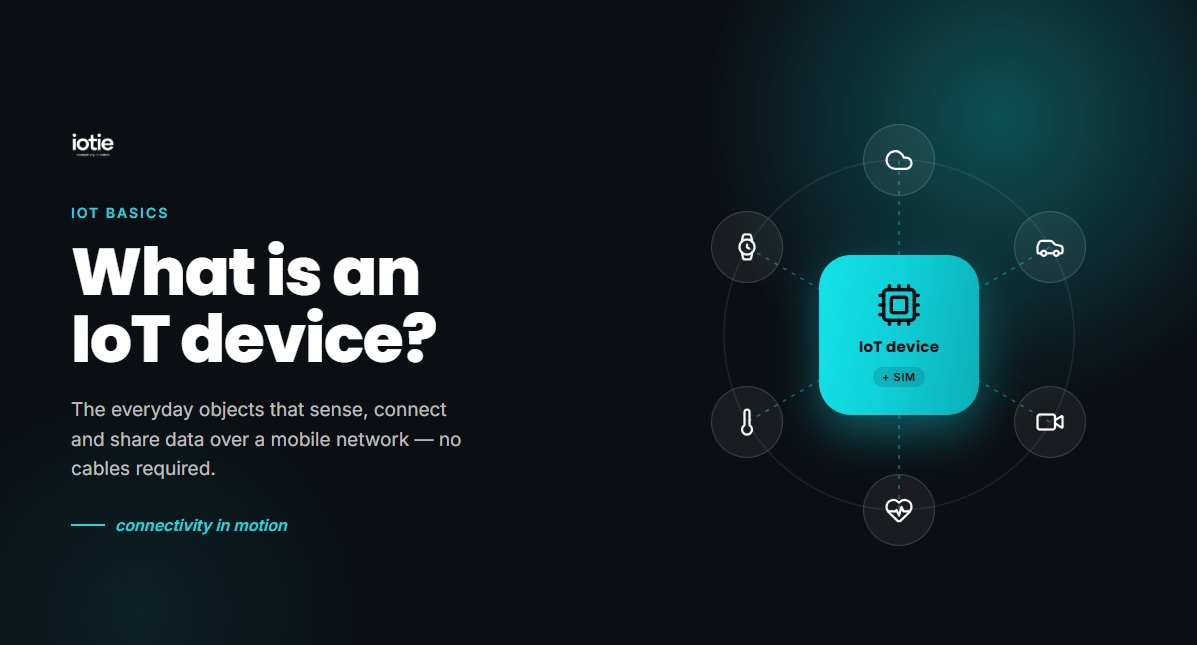
If you strip away the marketing fluff, an IoT device is simply any physical object that is assigned an IP address and equipped with sensors, software, and embedded systems to connect to a network (usually the internet or Bluetooth).
Think of it like this: If a standard device is a solo musician playing in a room, an IoT device is a musician with a microphone connected to a global broadcast. It can hear what’s happening, share that information with the world via machine to machine communication, and receive instructions from thousands of miles away. It isn't just "connected"—it’s "aware."
How IoT Works: The Bridge Between Physical and Digital
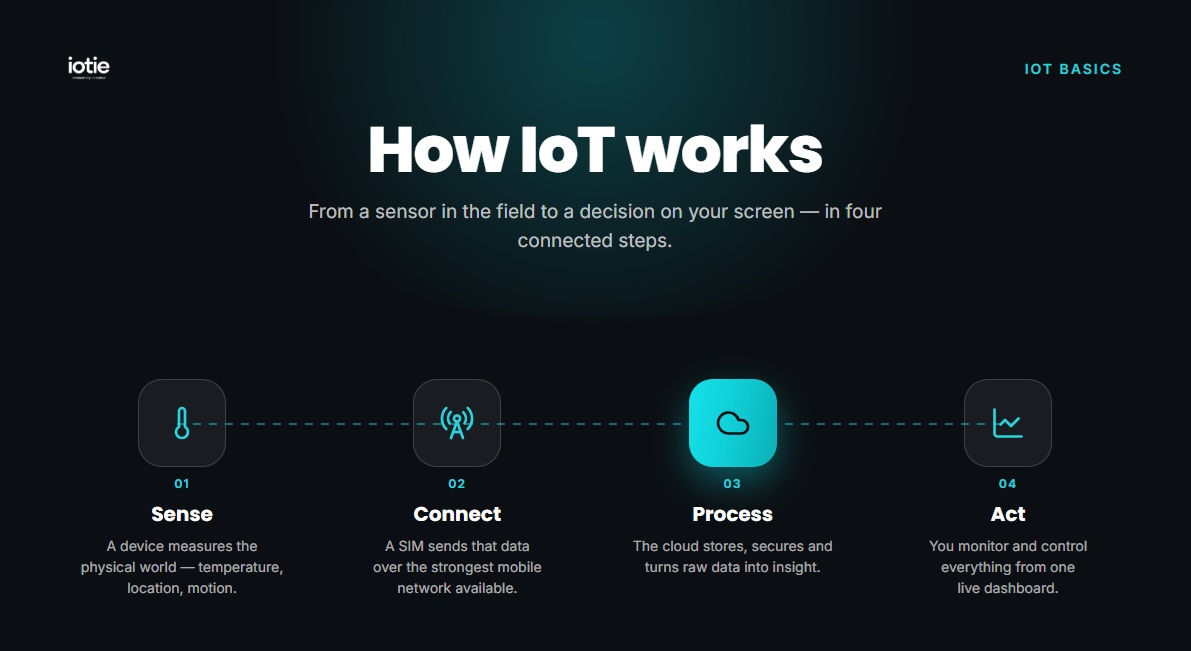
To understand how a plastic box on your wall controls the climate of your entire home, you have to look at the four-step journey data takes. It starts with a physical sensation and ends with a digital action.
Sensors and Connectivity
Everything begins with the sensor. This is the part of the device that touches the real world. It might be a camera lens, a thermometer, an accelerometer that detects movement, or a moisture probe in a garden.
Once the sensor "feels" something, it needs a voice. This is the connectivity layer. The device sends that felt data to a central IoT platform in the "cloud"—which is just a fancy way of saying it sends it to a powerful server via Wi-Fi, cellular data (like 5G), or specialised low-power signals like NB-IoT, Zigbee, or Z-Wave.
Data Processing and User Interface
Once the data reaches the cloud, the "brain" takes over. This is data processing. If your smart camera sees movement, the software asks: "Is this a swaying tree branch or a person?" If it decides it’s a person, it triggers a command sent to physical actuators, such as a smart lock or a siren.
Finally, we reach the user interface. This is the part you see. It’s the notification on your smartphone, the red light flashing on your security panel, or the report on your tablet showing your energy consumption and usage. The circle is complete: the physical world provided data, the digital world processed it, and you received the value.
IoT Around the House: Smart Home Examples
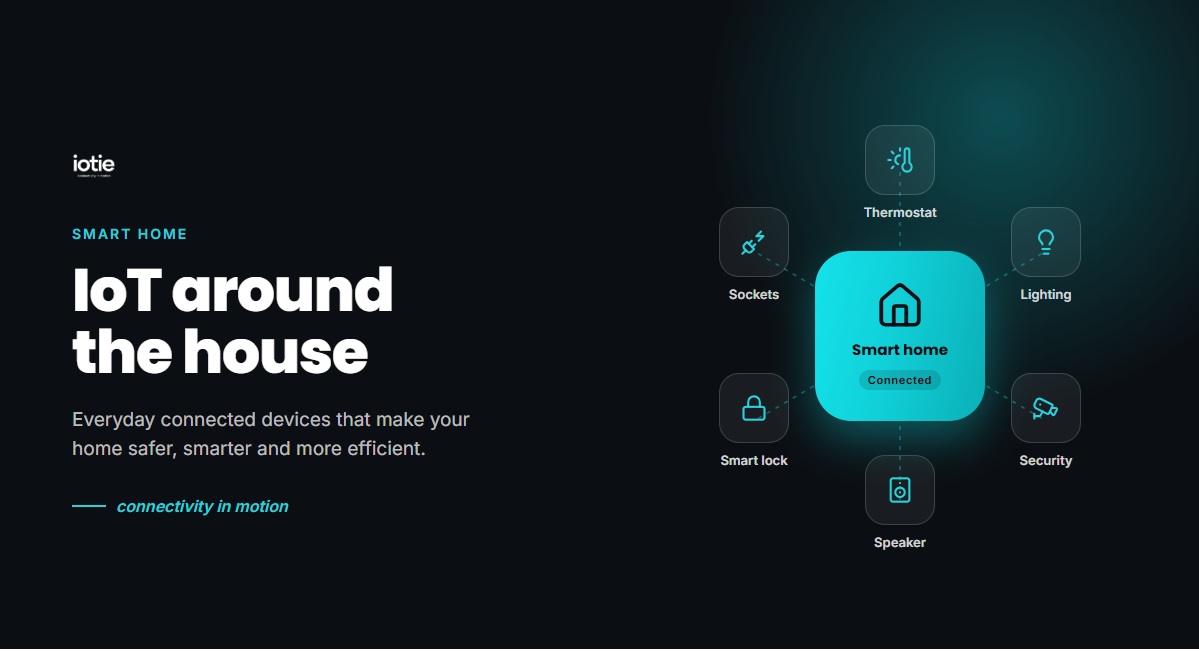
The home is the front line of the IoT revolution, driven by the rapid adoption of smart home devices. It is where we see the most immediate benefits in comfort, safety, and efficiency.
1. Smart Thermostats (Nest and Ecobee)
The smart thermostat is the poster child for IoT. Unlike the old "set it and forget it" models, devices like Nest or Ecobee learn your habits. They use occupancy sensors to know if you're actually home and pull local weather data to decide how hard the AC needs to work. Over time, they stop being a dial you turn and start being an invisible butler that manages your comfort while slashing your electric bill.
2. Voice Assistants (Amazon Echo and Google Home)
These devices act as the "central nervous system" of the smart home. While these smart speakers play music and tell jokes, their real power lies in their ability to act as a bridge. When you say, "Amazon Alexa, goodnight," the Echo sends a flurry of commands across your network: it tells the locks to engage, the lights to dim, and the thermostat to drop to 68 degrees.
3. Connected Security Systems and Video Doorbells
Ring and Arlo have fundamentally changed neighborhood safety. These aren't just security cameras; they are motion-triggered communication hubs. They allow you to "be home" even when you're at the office, enabling you to speak to a delivery driver or scare off a porch pirate through your phone.
4. Smart Lighting and Ambiance Control
Philips Hue and similar systems allow you to treat your home like a movie set. Beyond changing colors for a party, these IoT bulbs can be programmed to mimic natural sunlight, helping you wake up gently, or they can be set to "Away Mode," where they turn on and off in a random pattern to make it look like someone is home while you're on vacation.
5. Smart Appliances: Fridges, Ovens, and Washers
Modern appliances are joining the network at a staggering rate. A Samsung Family Hub fridge can take a photo of its interior so you can check if you need milk while you're standing in the grocery aisle. Smart ovens can be preheated remotely, and washers can send a push notification when the spin cycle is done so your clothes don't sit and get musty.
Wearable IoT: Devices You Carry Every Day
If smart homes are about the environment, wearables are about the "Self." These devices turn the human body into a source of data.
1. Smartwatches and Fitness Trackers
The Apple Watch and Fitbit are the most common examples. They don't just count steps; they monitor vital signs like heart rate variability, blood oxygen levels, and even ECG rhythms. They turn your health into a dashboard, allowing you to spot trends before they become medical emergencies, much like professional medical devices.
2. Continuous Glucose Monitors (CGMs)
This is a life-changing application of IoT in healthcare. Devices like Dexcom use a tiny sensor under the skin to monitor blood sugar levels in real-time. This data is beamed directly to a smartphone or an insulin pump. It removes the need for constant finger-pricking and provides a level of metabolic insight that was historically impossible for diabetics.
3. Smart Eyewear and Augmented Reality
While still in their early stages, devices like Meta’s Ray-Bans or Xreal glasses represent the next frontier. They use cameras and speakers to provide a "heads-up" display of the digital world, allowing you to take calls, record video, or get walking directions overlaid on the sidewalk in front of you.
IoT on the Move: Transportation and Urban Life
IoT isn't confined to four walls. It is moving through our streets and reshaping how we navigate the world.
1. Connected Cars and Telematics
Your car is likely a giant IoT device on wheels. Modern vehicles from Tesla, Ford, and BMW are constantly communicating with the manufacturer. They download "over-the-air" software updates to improve braking distance or battery range, and they use telematics to alert emergency services the moment an airbag deploys. With developments in autonomous vehicles and smart cars, the way we travel is changing forever.
2. Smart Parking Sensors
Ever spent twenty minutes circling for a spot? In "Smart Cities," sensors embedded in the asphalt detect the presence of a metal chassis. This information is sent to an app that guides drivers directly to the nearest open space, reducing traffic congestion and carbon emissions.
3. Public Transit Tracking Systems
The "Next Bus" display at your stop is powered by IoT. GPS trackers on buses and trains send real-time coordinates to a central server, which then calculates arrival times based on current traffic. It transforms the anxiety of waiting into a predictable schedule.
4. Micro-Mobility: E-Scooters and Bike Shares
The Bird or Lime scooter you see on the sidewalk is an IoT marvel. It uses cellular connectivity and GPS to allow users to unlock it with a QR code, tracks its own battery life, and reports its location to the fleet manager so it can be picked up for charging.
The "Industrial" Side: IoT Behind the Scenes
1. Smart Inventory and Supply Chain Tracking
The era of "losing a shipment" is ending. RFID tags and GPS trackers allow companies to monitor the exact location and temperature of goods as they move across the ocean. If a crate of vaccines gets too warm in a shipping container, an alert is triggered immediately, preventing a loss of life-saving medicine.
2. Precision Agriculture and Soil Sensors
Farmers are becoming data scientists. IoT sensors placed in the soil measure moisture, acidity, and nutrient levels. This allows "precision irrigation"—watering only the specific square meters of a field that need it. This saves massive amounts of water and increases crop yields.
3. Smart Grids and Energy Management
Utility companies use IoT to balance the load on the electrical grid. Smart meters communicate with the utility in real-time, allowing the grid to adjust to surges in demand or integrate renewable energy sources like wind and solar more effectively.
The Benefits of Living in a Connected World
Why do we bother connecting all these things? It isn't just for the "cool factor." The value lies in three core areas.
Convenience and Automation
The most immediate benefit is the removal of friction. IoT handles the "boring" tasks. It locks the doors, sets the lights, orders more laundry detergent when you’re low, and reminds you to take your pills. It buys you back time.
Energy Efficiency and Sustainability
IoT is a powerful tool for the planet. By only heating rooms that are occupied and only watering crops that are thirsty, we drastically reduce our consumption of natural resources. Smart cities can reduce their carbon footprint by optimizing traffic flow and street lighting based on actual usage.
Improved Safety and Personal Health
From cars that call 911 to watches that detect a fall, IoT is a safety net. In the industrial world, sensors in smart buildings or on a bridge can detect "stress fractures" invisible to the human eye, allowing for predictive maintenance and repairs before a catastrophic failure occurs.
Navigating the Risks: Security and Privacy in the IoT Age
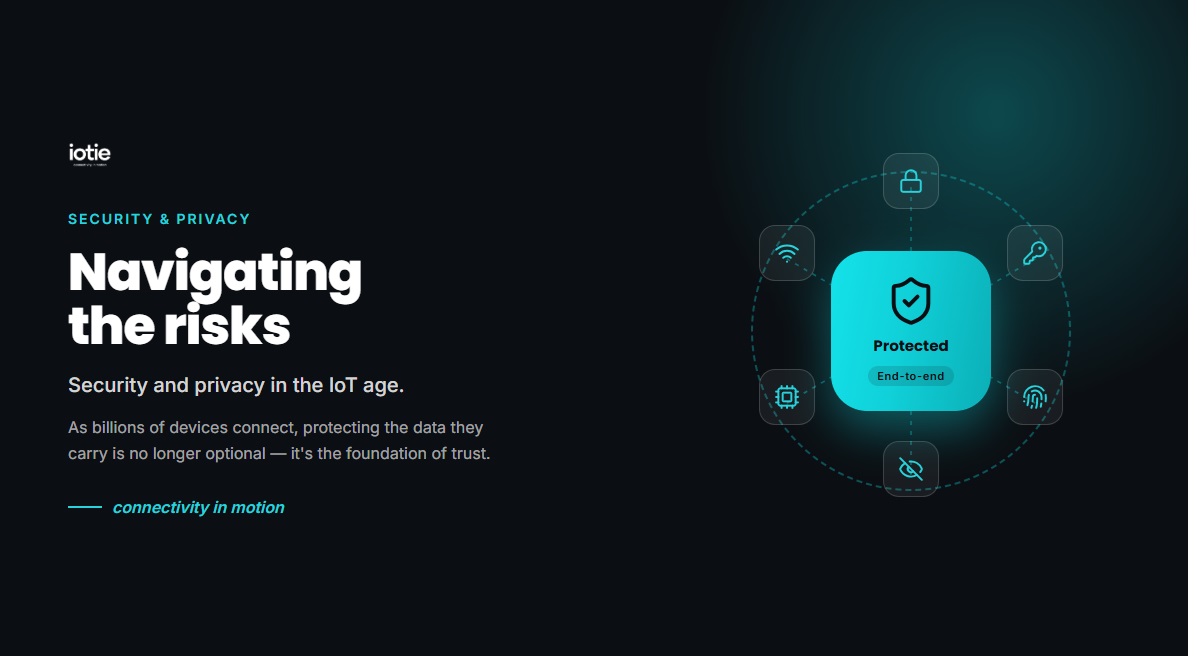
Every technology has a "shadow side," and for IoT, that shadow is cast by the complexities of IoT security and the sheer amount of data being generated.
The Vulnerability of "Always On" Devices
Every device connected to the internet is a potential "doorway" for hackers. If a smart lightbulb has weak cybersecurity, a malicious actor could theoretically use it to gain access to your home Wi-Fi network. Because these devices are "always on," they require constant vigilance.
Data Privacy: Who Owns Your Information?
Your smart vacuum creates a map of your house. Your fitness tracker knows your heart rate during an argument. Your smart TV knows exactly what you watch. The question of who owns this data—and whether they are selling it to advertisers—is one of the most significant ethical challenges of our time.
Steps You Can Take to Secure Your IoT Ecosystem
You don't have to be a tech genius to stay safe.
Change Default Passwords: Never leave the factory-set password on a new device.
Use a Guest Network: Put your IoT devices on a separate Wi-Fi sub-network so they are isolated from your main computer and phone.
Keep Firmware Updated: Those "annoying" updates are often security patches. Install them immediately.
The Future of IoT: What Happens When Everything Is Connected?
We are moving toward a world where the word "internet" might disappear because it will be as ubiquitous as electricity or oxygen.
The Role of 5G and Edge Computing
The rollout of 5G is the fuel for the IoT fire. It allows for much faster speeds, increased bandwidth, and, more importantly, the ability to connect millions of devices in a small area without slowing down. Coupled with "Edge Computing"—where the data is processed on the device itself rather than through traditional cloud computing on a distant server—latency will drop to zero. This is what will make self-driving cars and remote robotic surgery possible.
From Smart Homes to Smart Cities
Individual smart devices are currently like islands. In the future, these islands will merge. Your car will talk to the traffic lights, which will talk to the city's power grid, which will talk to your home's solar panels. We are building a "Digital Twin" of our entire physical world, allowing us to simulate and optimize life on a massive scale.
Choosing Your Next IoT Device: A Buyer’s Checklist
If you're looking to add another "thing" to your life, don't just look at the features. Look at the foundation.
Compatibility and Ecosystems
Before buying, ask: "Does this talk to what I already own?" If you use an iPhone, you’ll want HomeKit-compatible devices. If you’re a Google household, look for "Works with Google Home." The "Matter" standard is a new protocol designed to ensure interoperability, making all these devices play nice together, regardless of the brand.
Security Ratings and Update Frequency
Check the manufacturer’s track record. Do they have a history of patching vulnerabilities? Avoid "no-name" brands that offer suspiciously cheap smart plugs; they often lack the security infrastructure needed to keep your network safe.
Subscription Models vs. One-Time Costs
Many IoT devices now come with a "hidden" cost: the monthly subscription. That smart camera might be cheap upfront, but if you have to pay $10 a month to view your video history, the cost adds up. Always check what features are locked behind a paywall.
Wrapping Up: Embracing the Connected Life
The Internet of Things is no longer a futuristic concept; it is the fabric of modern existence. From the watch on your wrist to the sensors in the soil of a distant farm, these connected devices are making our world more responsive, more efficient, and more personalized.
As you navigate this connected landscape, remember that you are the architect of your own ecosystem. Choose devices that solve real problems, stay mindful of your privacy, and enjoy the incredible convenience of living in a world that finally "listens" to you. The bridge between the digital and physical is open—and we’ve only just begun to cross it.